Running a small business today is very different from what it was a few years ago. Customers expect fast responses, smooth communication, and support across multiple channels like calls, messages, and online platforms. Traditional phone systems often fail to keep up with these expectations. They can be expensive, difficult to manage, and limited in flexibility.
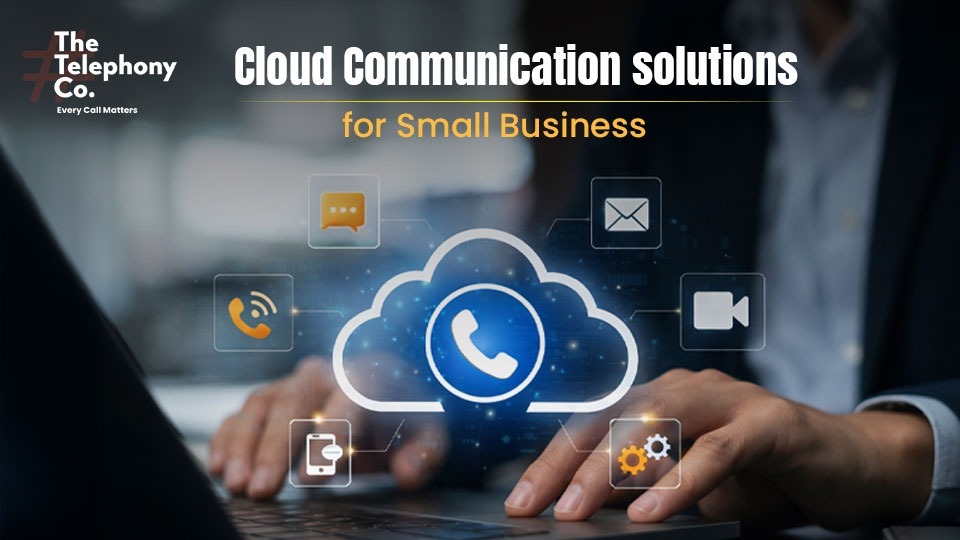
This is where cloud communication solutions come in. These modern cloud systems allow businesses to manage calls, messages, customer interactions, and team communication through the internet instead of traditional hardware.
For small businesses, cloud communication is not just a technology upgrade—it’s a growth tool. It helps companies stay connected with customers, support remote teams, and operate more efficiently without heavy infrastructure costs.
In this guide, we’ll explore how cloud communication works and why it is becoming essential for small business growth.
What Are Cloud Communication Solutions?
Cloud communication solutions are internet-based systems that allow businesses to handle voice calls, video meetings, messaging, and customer support without relying on physical phone lines or complex hardware.
Instead of installing equipment in the office, businesses use online platforms that host communication tools in the cloud. This means employees can access the system from anywhere using a computer, mobile phone, or desk phone connected to the internet.
Common examples of cloud communication tools include:
- Cloud phone systems
- Virtual Local and Toll-Free numbers
- VoIP calling
- Cloud contact centers
- Business messaging platforms
- Video conferencing tools
- IVR System for Self-Service
Because everything is managed online, businesses can easily add users, change settings, and scale their communication system as they grow.
Start Growing with Cloud Communication Solution
 Connect With Customers Anywhere
Scale Your Business Easily
Improve Customer Experience
Connect With Customers Anywhere
Scale Your Business Easily
Improve Customer ExperienceStart Growing with Cloud Communication Solution
Connect With Customers Anywhere
Scale Your Business Easily
Improve Customer ExperienceWhy Small Businesses Are Moving to Cloud Communication
Small businesses are constantly looking for ways to work smarter while keeping costs under control. Cloud communication provides exactly that.
Traditional phone systems require installation, maintenance, and expensive upgrades. On the other hand, cloud systems are flexible, affordable, and easier to manage.
Here are a few reasons why more small businesses are switching to cloud communication:
Lower Setup Costs
Cloud systems eliminate the need for expensive hardware and wiring. Businesses can start with minimal investment and pay only for what they use.
Easy Remote Work
Employees can answer business calls or respond to customers from anywhere. This is especially useful for remote teams or businesses with multiple locations.
Quick Setup
Most cloud communication services can be activated within a day. There is no complicated installation process.
Better Customer Experience
With features like call routing, auto-attendants, and call analytics, businesses can provide faster and more professional customer support.
 Also Read: Reasons Businesses to Switch to VoIP Phone
Key Features of Cloud Communication Systems
Cloud communication platforms offer many tools that help businesses communicate better internally and with customers.
1. Local Virtual DID Numbers
Companies can get local or international virtual DID numbers without opening a physical office in those locations. This helps build trust with customers in different regions.
2. Call Forwarding and Routing
Incoming calls can automatically be directed to the right department, or employee, reducing missed calls and improving response times.
3. Auto Attendant
An automated menu system guides callers to the correct option, creating a professional first impression.
4. Call Recording
Organisation record every conversations for training, quality control, and compliance purposes.
5. Analytics and Reporting
Cloud systems provide insights such as call volume, response time, and agent performance. These insights help improve operations.
6. CRM Integration
Many cloud communication platforms integrate with customer relationship management tools, allowing teams to access customer information instantly during calls.
Also Read: ECHO Contact Center Software
Top Benefits of Cloud Communication for Small Business
Cloud communication doesn’t just improve communication—it directly supports business growth.
-
Increased Flexibility
Small businesses often need to adapt quickly. Cloud systems allow companies to add users, expand to new markets, or enable remote work without major changes.
-
Cost Efficiency
Because there is no need for expensive infrastructure, businesses save money on installation, maintenance, and upgrades.
-
Professional Image
Features like IVR number, call routing, and dedicated business phone numbers help small companies appear larger and more established.
-
Improved Team Collaboration
Employees can communicate through calls, video meetings, and messaging platforms in one system, making teamwork easier.
-
Scalability
As the business grows, the communication system can grow with it. Adding new employees or departments takes only a few minutes.
Also Read: Omnichannel Contact Center
Cloud Communication vs Traditional Phone Systems
| Feature | Cloud Communication | Cloud Contact Center |
| Setup Time | Quick and Simple | Complex installation |
| Hardware Required | Minimal | Heavy equipment |
| Cost | Lower Upfront Cost | High Installation Cost |
| Remote Access | Available Anywhere | Limited to Office |
| Scalability | Easy to Expand | Difficult and Expensive |
| Maintenance | Managed by provider (The Telephony Co) | Managed Internally |
Use Cases for Small Businesses
Cloud communication systems can benefit businesses across many industries.
Customer Support Teams
Businesses can manage customer calls through IVR system & cloud based contact centers, ensuring quick responses and better service.
Startups
Startups often operate with small teams and limited budgets. Cloud communication provides professional tools without large investments.
Remote Companies
Businesses with distributed teams can stay connected through one centralized platform.
Sales Teams
With a VoIP number, sales representatives can make and receive calls from anywhere while keeping records and notes organized.
E-commerce Businesses
Online stores can provide customer assistance through cloud phone systems, improving trust and customer satisfaction.
Upgrade Your Business Communication Today
With Modern Cloud Solutions and Stay Connected with your Customers from Anywhere.
How to Choose the Right Cloud Communication Provider
Not all cloud communication platforms are the same. Choosing the right provider is important for long-term success.
Here are some factors to consider:
Reliability
Look for a provider with strong uptime and stable service. Communication downtime can affect business operations.
Features
Make sure the platform offers essential features such as call routing, analytics, global phone number integrations, and mobile accessibility.
Scalability
Your provider should support your business as it grows, allowing easy expansion.
Security
Data protection and secure communication channels are essential.
Customer Support
A reliable and strong support team ensures that any technical issues are resolved 24/7 across a multichannel platform.
Pricing Transparency
Choose a provider with clear pricing and no hidden fees no extra monthly charges.
The Telephony Co offers flexible cloud communication solutions designed specifically for growing businesses. With scalable plans, virtual local area code DID numbers, and powerful cloud phone systems, it helps small businesses manage communication efficiently without heavy investment.
Future of Cloud Communication for Businesses
Cloud communication technology continues to evolve. New innovations are making communication systems smarter and more efficient.
Some trends shaping the future include:
- AI-powered customer support
- Smart call routing
- Omnichannel communication
- Automation tools
- Advanced analytics
These technologies will help businesses understand customer behaviour better and deliver faster, more personalized service.
For small businesses, adopting cloud communication early can create a strong competitive advantage.
Conclusion
Communication is not just about answering calls. It is about building trust, solving problems quickly, and creating strong customer relationships.
Effective communication is the foundation of every successful business. For small businesses aiming to grow, traditional phone systems often create limitations in cost, flexibility, and scalability.
Cloud communication solutions provide a modern alternative. They allow businesses to manage calls, support customers, collaborate with teams, and expand operations with ease.
By adopting cloud communication, small businesses can improve efficiency, enhance customer experience, and build a professional presence in the market.
As technology continues to evolve, companies that invest in smarter communication systems will be better positioned for long-term success.
Partnering with a trusted provider like The Telephony Co can help you build a reliable communication foundation that grows with your business.
FAQ's
What are Cloud Communication Solutions?
Cloud communication solutions are internet-based platforms that allow businesses to manage voice calls, video meetings, messaging, and customer interactions without traditional phone hardware. These systems are flexible, scalable, and easy for small businesses to use.
How do cloud communication systems help small businesses?
Cloud communication systems help small businesses reduce costs, improve customer support, enable remote work, and manage business calls from anywhere using internet-connected devices.
What features are included in cloud communication platforms?
Most cloud communication platforms include features such as virtual phone numbers, call forwarding, IVR menus, call recording, analytics, team messaging, video meetings, and CRM integrations.
Are cloud communication solutions affordable for small businesses?
Yes, cloud communication solutions are usually more affordable than traditional phone systems because they do not require expensive hardware, installation, or ongoing maintenance.A
What is the difference between VoIP and cloud communication?
VoIP allows voice calls over the internet, while cloud communication includes VoIP plus additional tools like messaging, video conferencing, automation, analytics, and customer support features.
How do I choose the best cloud communication provider?
When choosing a provider, consider pricing, reliability, features, scalability, customer support, integrations, and security.